Quick Answer
To recycle electronics for cash, inventory your retired IT assets, sanitize all data-bearing devices to
NIST SP 800-88 standards, grade equipment by condition and demand, and route it through a
resale/buyback channel first and certified recycling second. Enterprise gear — servers, storage arrays,
networking equipment, enterprise drives, and LTO tape — holds the most resale value. Working with
an established ITAD lifecycle partner instead of a flat-rate scrap recycler is what turns this from a
disposal task into a cash-positive one.
Key Takeaways:
- Recycling electronics for cash allows you to recover measurable value from retired IT hardware while supporting responsible disposal and sustainability goals.
- The highest returns come from enterprise-grade assets such as servers, storage, networking gear, tape media, and drives that still have demand in secondary markets.
- Secure data destruction in accordance with NIST SP 800-88 is a mandatory first step that protects sensitive information, preserves resale eligibility, and reduces regulatory risk.
- Transparent pricing, reporting, and documentation make it easier to justify asset disposition decisions and pass audits.
Turn Retired IT Hardware into Cash
Recycling electronics for cash isn’t just about disposing of obsolete devices for financial value—it’s also a strategic way to manage end-of-life equipment responsibly.
When you properly sort, sanitize, grade, and route the IT equipment through resale channels or recycling streams, you can unlock returns from assets that would otherwise sit idle or be discarded.
In 2021, Americans generated about 10 million metric tons of electronic waste, yet only 15.4% of that was recycled, indicating the significant unrealized value when devices are not recovered responsibly.
In this article, we’ll review how to recycle electronics for cash systematically, identify which types of equipment hold the most value, navigate compliance and data security requirements, and follow a practical, step-by-step process to maximize returns.
How Recycling Electronics for Cash Works for Businesses
Value can be regained by evaluating equipment, routing assets into resale markets, and using certified recycling streams when resale or reuse is no longer viable.
Value recovery is created through:
- Equipment Evaluation
- Assets are assessed by make, model, manufacturing date, capacity, condition, and market demand.
- Enterprise-grade hardware with remaining lifecycle value is prioritized for resale or buyback.
- Resale and Remarketing Markets
- Tested and graded equipment enters secondary markets where global demand supports higher payouts.
- Established buyer networks consistently outperform general recyclers on price.
- Certified Recycling Streams
- Equipment with no resale value or potential is dismantled to recover commodities like metals and components.
- While a lower value is recovered compared to resale, responsible recycling offsets the disposal costs.
| Approach | Primary Focus | Value Outcome |
| Recycling | Material recovery and responsible disposal | Typically produces minimal cash value. |
| Refurbishing | Extended usable life through testing and reconditioning. | Generates moderate value through resale. |
| Buyback Programs |
Purchasing eligible equipment directly. | Delivers the highest and fastest cash returns when assets meet resale criteria. |
Data destruction is a legal mandate before reselling or recycling any IT equipment.
- NIST SP 800-88 defines approved methods for data sanitization in the U.S.
- Certified wiping, degaussing, or physical destruction protects sensitive data and preserves resale value.
Which Electronics Hold the Most Cash Value?
Different types of IT assets deliver different return value. You’ll see the strongest payouts coming from enterprise-grade equipment with ongoing demand in secondary markets.
Here are some of the high-value electronics categories:
- Servers
- Rack, blade, and tower servers retain value when CPUs, RAM, and configurations align with current workload requirements.
- Newer generations and recognized brands command higher offers.
- Storage Arrays
- SAN, NAS, and all-flash arrays remain in demand for cost-conscious infrastructure expansion.
- Capacity, controller type, and vendor support status heavily influence pricing.
- Networking Gear
- Switches, routers, firewalls, and load balancers hold value due to long enterprise lifecycles.
- Managed and modular systems outperform entry-level hardware.
- Enterprise HDDs and SSDs
- SAS, NVMe, and high-capacity drives generate consistent returns when wiped securely.
- LTO Tape Media
- LTO-7, LTO-8, LTO-9, and IBM 3592 tapes are especially valuable for regulated backup environments.
- Telecom and VoIP Equipment
- IP phones, PBX systems, and conferencing gear retain resale value when they’re fully functional.
The factors that impact the resale value most are:
- Age and lifecycle position, as newer generations typically sell faster in secondary markets and command higher prices.
- Conditions and testing results, since verified functionality and documented testing increase buyer confidence and payout value.
- Capacity and configuration, with higher specifications generally attracting broader demand across resale channels.
- Brand and model support, where established enterprise vendors tend to retain value better than white-label equipment.
- Market demand, such as supply constraints, refresh cycles, and temporary shortages, can drive short-term price increases.
According to the 2024 U.S. Data Center Energy Usage Report, U.S. data centers consumed about 4.4% of total U.S. electricity in 2023, and data-center power demand more than doubled between 2017 and 2023. Furthermore, electricity usage by data centers is expected to rise between 6.7–12% of total U.S. electricity by 2028, pushing hardware lifecycle extension through reuse and refurbishment rather than relying on constant replacement.
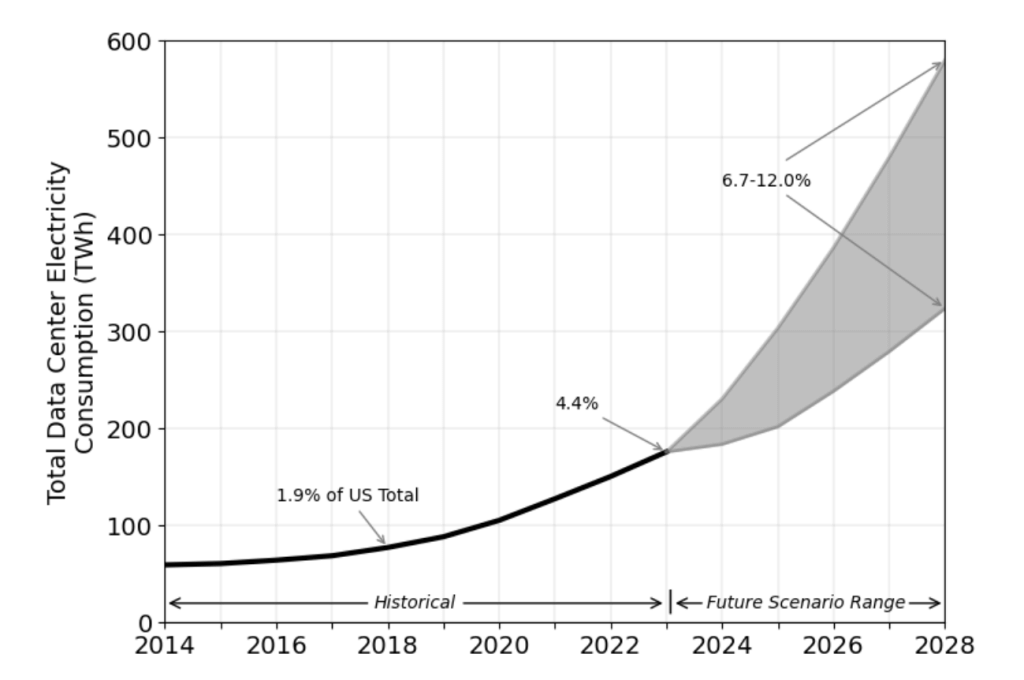
Source: eScholarship
Compliance, Data Security, and Legal Requirements in Electronics Recycling
Before you proceed to recycle your electronics for cash, you must address regulatory, data security, and environmental obligations. Cash recovery is only beneficial when compliance is ensured.
Compliance Requirements
- NIST SP 800-88
- Defines how data-breaching devices must be sanitized before reuse, resale, or recycling.
- Failure to follow approved wiping, degaussing, or destruction methods can invalidate audits and render resale eligibility invalid.
- HIPAA, GDPR, and PCI DSS
- Healthcare, financial, and regulated data environments require provable data destruction.
- Certificates of data destruction are often mandatory for audits and data breach risk management.
- Environmental Regulations
- U.S. organizations must ensure electronics are recycled responsibly to avoid hazardous waste violations.
- The EPA classifies the electronics containing toxic materials and their impact if they’re mismanaged.
Risk of Improper Disposal
- Regulatory Fines and Penalties
- Under HIPAA’s Privacy and Security Rules (45 CFR Part 164), enforcement actions authorized under Section 1176 of the Social Security Act can result in civil penalties of up to $50,000 per year violation, capped at $1.5 million per violation category for wilful neglect.
- For organizations handling EU personal data, violations of GDPR Articles 5, 6, 32, and 44–49 may trigger penalties under Article 83, reaching €20 million or 4% of global annual turnover, whichever is higher.
- Practical Enforcement Outcomes
- In the U.S., T-Mobile had to agree to a $31.5 million settlement following multiple data breaches that exposed sensitive customer information at scale—illustrating how data-handling failures can lead to significant financial and reputational losses.
- Marriott International had to pay a $52 million settlement after cyber incidents compromised the personal data of over 300 million customers, highlighting the long-term consequences of inadequate data governance.
- Environmental and Operational Liability
- Beyond data exposure, improper disposal of electronics can violate federal and state hazardous-waste laws such as the Resource Conservation and Recovery Act (RCRA) and the EPA’s Universal Waste Regulations (40 CFR Part 273), as well as state e-waste recycling statutes, exposing your organization to enforcement actions, penalties, and remediation costs.
Importance of Certified Data Destruction
- Preserves Resale Eligibility
- Devices wiped or destroyed under NIST SP 800-88 standards can legally enter buyback and remarketing channels.
- Reduces Audit and Legal Risk
- Documented chain of custody and certificates support internal reviews and third-party audits.
- Protects Brand Reputation
- Secure handling reassures stakeholders that retired assets will not become a headline in tomorrow’s news.
How to Recycle Electronics for Cash: Step-by-Step for IT Teams
1. Inventory & Identify Value
Start with a complete, accurate asset inventory.
- Document make, model, capacity, manufacturing date, and condition for each device.
- Separate resale-eligible assets (servers, storage, networking gear, enterprise-grade drives, tape media) from equipment suitable only for material recycling.
- High-quality asset lists consistently result in aster quotes and higher offers.
2. Secure Data Sanitization
Data security must be the top priority.
- Perform certified data wiping, magnetic degaussing, or physical destruction aligned with NIST SP 800-88.
- Request and retain certificates of data destruction and chain-of-custody records for audits and regulatory review.
3. Equipment Grading & Testing
Asset condition directly impacts resale value.
- Test functionality to determine pricing tiers for resale and remarketing.
- Evaluate cosmetic condition, component health, and configuration accuracy to support transparent valuation.
4. Remarketing, Resale, or Certified Recycling
Route assets through the correct recovery channel.
- Resale and Buyback: Functional equipment enters remarketing channels to maximize ROI.
- Certified Recycling: Non-viable assets are responsibly recycled to recover raw materials and prevent environmental harm.
Why Transparent Pricing and Communication Matter in IT Asset Recovery
Transparency Improves Value Recovery
- Clear Valuation Logic
- When buyers explain how offers are calculated—based on model, configuration, condition, and market demand—you can see exactly how value is being maximized.
- This reduces uncertainty and helps you avoid low-visibility bulk recycling that leaves out significant value.
- Predictable Outcomes
- Defined pricing methodologies and inspection criteria ensure payouts align with expectations, rather than changing after assets leave your site.
Importance of Reporting
- Audit-Ready Documentation
- Detailed asset reports, data destruction certificates, and chain-of-custody records can support internal controls and external audits.
- Stakeholder Confidence
- Finance, compliance, and leadership teams gain assurance that the retired assets were handled securely, legally, and in accordance with sustainability goals.
Reduced Friction for IT Teams
- Faster Internal Approvals
- Transparent communication allows you to justify disposition decisions with data rather than assumptions.
- Reduced Rework and Escalation
- Clear expectations around pricing, timelines, and documentation reduce back-and-forth with procurement and legal teams.
How We Buy Used Equipment Helps Businesses Maximize Cash Return
Turning retired hardware into cash requires scrutiny, valuation expertise, secure processing, and access to the right resale markets—areas where our team of experts consistently outperforms general recyclers.
Industry Expertise and Fair Valuations
- Decades of Industry Expertise
- Our longstanding experience across servers, storage, networking, tape media, and enterprise components supports accurate, market-aligned valuations.
- We price equipment based on configuration, demand, condition, and resale channel—not flat-weight or scrap pricing.
- Efficient Remarketing
- We reroute your IT assets into secondary markets where enterprise-grade hardware still carries demand, helping you recover more value than commodity recycling.
Data Security and Compliance Inclusive Services
- Certified Data Destruction
- We process all data-bearing devices using NIST SP 800-88 methods.
- We also provide certificates of data destruction for every transaction.
- Reduced Compliance Exposure
- We ensure secure handling, protecting your IT assets against data breaches while preserving eligibility for resale.
Established Buyer Network
- Broader Resale Reach
- We have a well-connected and established network of enterprise buyers, resellers, and reuse channels that creates competitive demand for qualified equipment.
- Effective Outcomes
- Unlike scrap-focused recyclers, we monetize remarketing-ready assets before turning them in for material recovery.
How E-Waste Regulations and Market Demand Shape Cash Value
Regulations and Sustainability Initiatives
- EPA Waste Reduction Priorities
- The U.S. EPA continues to emphasize reuse, refurbishment, and responsible recycling as the preferred path for electronics management.
- Certified recycling partners, such as We Buy Used IT Equipment, can help you meet these exceptions while avoiding the risks of improper disposal.
- Growing Sustainability Pressure
- Corporate ESG goals and procurement standards increasingly require proof that retired equipment is reused or recycled responsibly.
- This elevates the role of a reliable ITAD provider who can document outcomes and recover value simultaneously.
Factors Influencing Resale Value
- Component Shortages and Lifecycle Extensions
- Supply-chain disruptions and longer refresh cycles have increased demand for refurbished servers, storage, networking gear, and enterprise drives.
- Stronger Secondary Markets
- Enterprise-grade hardware with remaining service life often commands a higher resale value than expected, especially when the equipment is properly tested and graded.
Reliability of Structured ITAD
- Repetable Value Recovery
- Businesses with documented ITAD workflows consistently recover more value than those relying on ad-hoc recycling.
- Lower Long-Term Risk
- Compliance-aligned processes reduce exposure to regulatory penalties while keeping assets eligible for resale.
- Better Positioning
- As regulations tighten and demand fluctuates, organizations with established ITAD partners can respond faster and capture value.
Turn Retired IT Assets into Secure, Measurable Value
Successful value recovery from retired assets comes from three core elements:
- Data protection
- Compliance
- Using the right channels.
By accurately cataloging assets, following NIST SP 800-88-aligned data sanitization, and routing equipment into resale, buyback, or certified recycling streams, you can turn IT refresh cycles into measurable financial returns.
Working with a certified ITAD partner brings:
- Secure data destruction with complete documentation
- Transparent reporting to support audits
- Access to established remarketing networks to maximize ROI.
Are you ready to recover more value from your retired hardware? Submit your equipment list and get a fast, secure cash offer today.