ITAD
Where to Sell CPUs & GPUs for Maximum Value
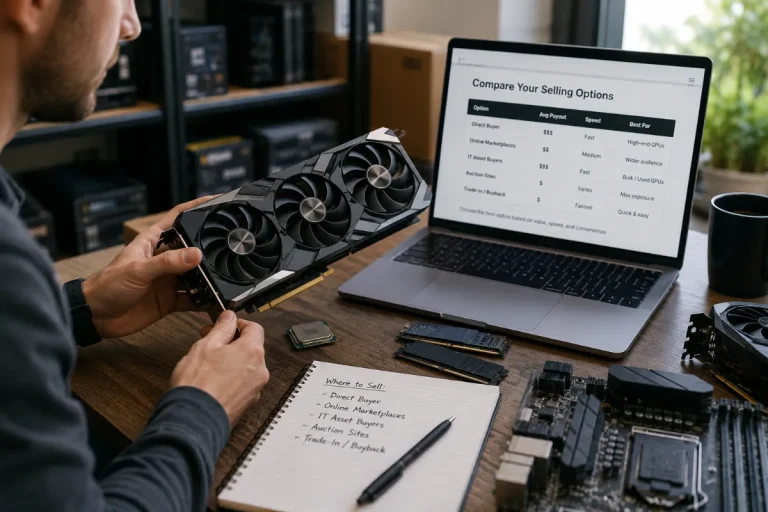
If you’re wondering where to sell CPUs and GPUs, the best option depends on your hardware, the quantity you’re selling,…


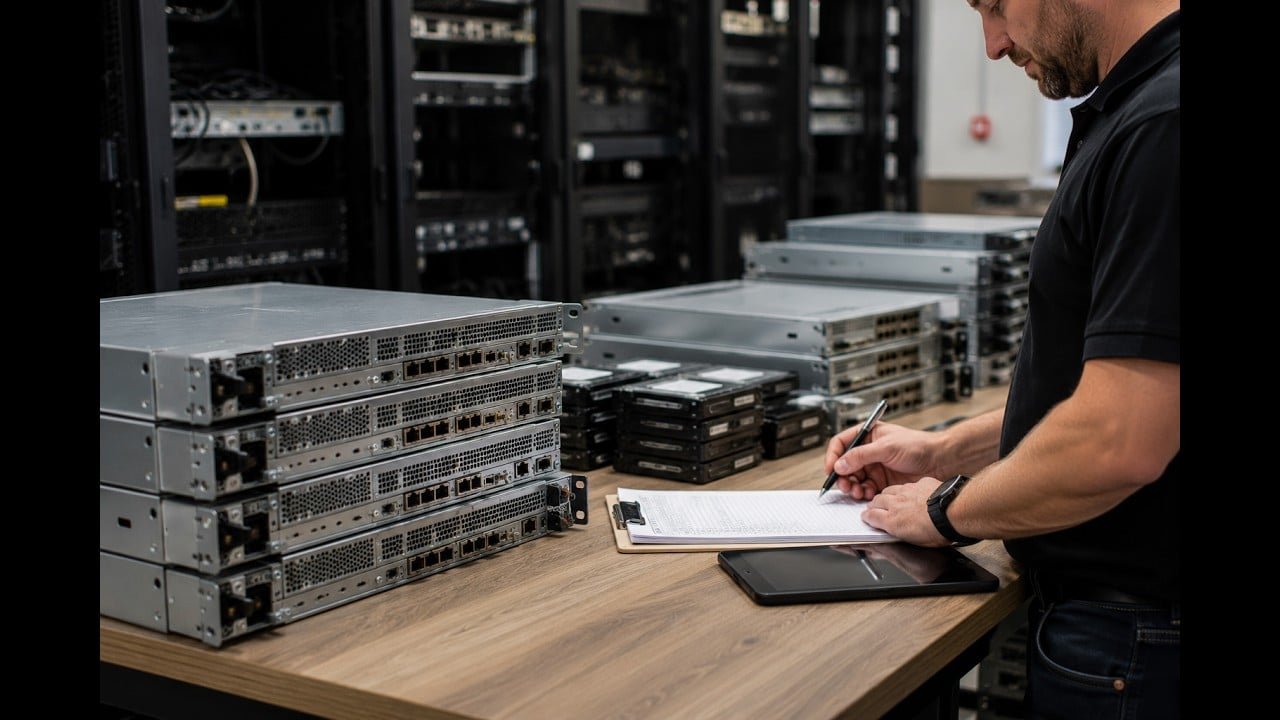
In this video, we compare selling, trading in, and returning leased enterprise IT equipment to help businesses maximize asset recovery, reduce technology refresh costs, and choose the best IT asset disposition (ITAD) strategy. Learn which option delivers the greatest value based on your equipment, lease terms, and business goals.
Enterprise IT equipment represents a significant investment, yet many organizations overlook the value that remains when it’s time for a technology refresh. Whether you’re replacing servers, storage arrays, networking equipment, or complete data center infrastructure, the decision to sell, trade in, or return leased assets can have a major financial impact.
In this video, we explain how each retirement strategy works, the advantages and disadvantages of each approach, and the factors every IT manager, procurement team, and finance department should consider before retiring enterprise hardware. You’ll also learn how equipment age, market demand, lease agreements, and data security requirements influence your potential return on investment.
Choosing the right IT asset disposition strategy isn’t just about removing old equipment—it’s about recovering value, maintaining compliance, protecting sensitive data, and supporting a sustainable IT lifecycle. Understanding these options can help organizations reduce unnecessary costs while maximizing the value of retired enterprise technology.
Whether you’re planning a server refresh, upgrading your data center, retiring storage systems, or managing enterprise networking equipment, this guide will help you make a more informed decision before your assets leave your facility.
Visit our website to learn more about enterprise IT asset recovery and request a quote:
https://webuyuseditequipment.net/
00:00
Should you sell your IT equipment, trade it in, or simply return it at the end of your lease? The answer could mean recovering thousands of dollars—or leaving money on the table.
00:20
Many organizations automatically return retired IT assets without evaluating all of their options. While lease returns and trade-in programs can be convenient, they aren’t always the most profitable solution.
00:45
Selling enterprise IT equipment often delivers the highest recovery value, especially for high-demand servers, storage arrays, networking equipment, and other enterprise hardware that still has resale value.
01:20
Trade-in programs can simplify technology refreshes by applying credit toward new purchases. While convenient, these programs may not provide the highest market value for your existing equipment.
02:00
Lease returns are appropriate when required by contract, but organizations should carefully review lease terms, potential end-of-lease charges, equipment condition requirements, and purchase options before returning assets.
02:45
Beyond financial considerations, organizations should prioritize secure data destruction, regulatory compliance, and responsible IT asset disposition. Working with an experienced ITAD provider helps ensure sensitive data is destroyed while maximizing the value of retired equipment.
03:30
The right retirement strategy depends on equipment age, current market demand, lease agreements, refresh timelines, and your organization’s financial objectives.
04:10
Before your next technology refresh, compare every available option instead of assuming the default choice is the best one. A strategic IT asset recovery plan can significantly reduce refresh costs while extending the value of your enterprise technology investments.
If you’re wondering where to sell CPUs and GPUs, the best option depends on your hardware, the quantity you’re selling,…