HIPAA-Compliant Buyback, Data Destruction & Certified Disposition
Healthcare IT retirement is not like retiring equipment anywhere else. Every device that has touched a clinical environment — every workstation in a patient room, every laptop used by a clinician, every server that processed patient scheduling or records — is a potential liability if it leaves your organization without proper documentation.
HIPAA does not exempt decommissioned devices. The obligation to protect protected health information (PHI) extends through the full lifecycle of every device — through retirement, through disposal, and through whatever happens next. A certificate of destruction is not optional. Chain of custody documentation is not optional. Knowing where the device ends up is not optional.
We Buy Used IT Equipment handles healthcare IT asset disposition with the compliance framework your organization requires — NIST 800-88 data sanitization, verifiable chain of custody, audit-ready documentation, and certified downstream recycling for devices that cannot be resold. And where equipment has residual value, we pay you for it.
HIPAA COMPLIANCE NOTE
Under HIPAA’s Security Rule (45 CFR §164.310(d)(2)(i)), covered entities and business associates are required to implement policies and procedures for the final disposition of electronic PHI and the hardware or electronic media on which it is stored. This obligation applies regardless of whether the device is being recycled, sold, donated, or discarded.
Healthcare IT Equipment We Buy
We purchase a wide range of clinical and administrative healthcare IT equipment — individual units and bulk lots from hospitals, health systems, clinics, specialty practices, and healthcare administration offices.
Equipment Type | Common Examples in Healthcare Settings |
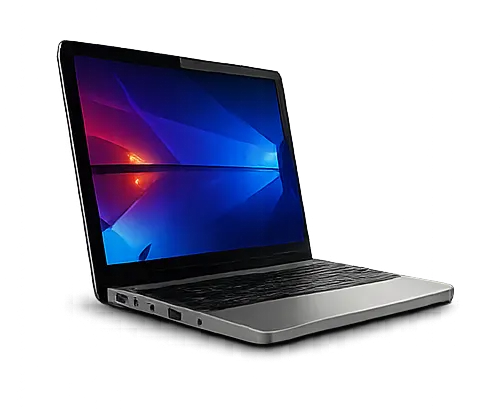
Clinical Workstations | Exam room PCs, nurse station desktops, care team laptops, point-of-care terminals |
Mobile & Tablet Devices | Clinical tablets, medical-grade mobile carts, handheld devices used in patient settings |
Administrative IT | Back-office desktops, laptops, and workstations from billing, scheduling, and records departments |
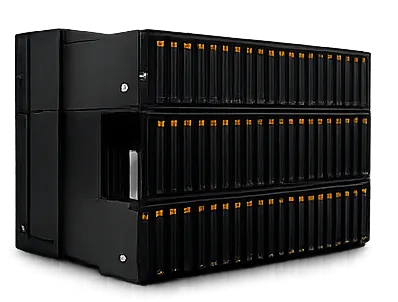
Servers & Storage | EHR/EMR servers, PACS systems, imaging storage, network-attached storage (NAS) |
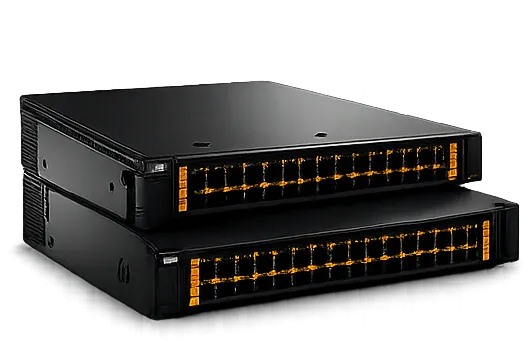
Networking Infrastructure | Hospital network switches, routers, wireless access points, and security appliances |
Peripherals | Medical printers, barcode scanners, monitors, and input devices |
End-of-Lease Returns | Full device fleet returns from clinical or administrative technology contracts |
Not sure if your equipment qualifies? Submit your list and we will evaluate it — at no cost and with no commitment.
Healthcare Organizations We Work With
Healthcare IT disposition requirements vary by organization type and size. We work across the full spectrum of covered entities and business associates:
Hospitals & Health Systems
Large-volume equipment retirements, multi-department or multi-campus decommissions, and EHR migrations that require retiring significant server and workstation infrastructure alongside the platform transition.
Physician Groups & Specialty Practices
Smaller-scale but compliance-critical: every device at a clinical practice has the same PHI liability as a hospital device. We handle single-office and multi-location practice retirements with the same documentation rigor.
Ambulatory Surgery Centers & Clinics
Devices from clinical care settings often carry a higher PHI risk profile than administrative hardware. We treat every clinical device accordingly — NIST 800-88 sanitization, certificate of destruction, full chain of custody.
Health Insurance & Healthcare Administration
Administrative organizations operating as HIPAA covered entities or business associates have the same data destruction obligations. We handle back-office IT retirement with full compliance documentation.
Home Health & Long-Term Care
Mobile and remote-use clinical devices present unique challenges at end of life — especially devices used in patient homes or off-site settings. We provide a structured intake and documentation process for distributed device retirement.
Healthcare IT Departments & MSPs
Technology teams managing IT infrastructure for healthcare clients need a reliable ITAD partner who understands the compliance requirements and delivers documentation that satisfies their clients’ needs.

How Healthcare IT Disposition Works With Us
Our process is designed for the compliance requirements of healthcare IT — not adapted from a general ITAD workflow. Every step produces documentation, and the chain of custody is maintained throughout.
Step 1: Equipment Assessment & Quote
Submit your device list — EHR workstations, clinical tablets, servers, networking gear, or a mixed lot. We evaluate condition and current market value, then provide a buyback quote within one business day. No site visit required to get started.
Step 2: HIPAA-Sensitive Logistics Planning
We coordinate pickup, shipping, or on-site support based on your volume and facility requirements. For healthcare environments, we plan logistics with patient privacy and operational continuity in mind — no disruption to active clinical areas without prior coordination.
Step 3: Secure Intake & Asset Logging
Every device is logged into our tracking system at intake: asset ID, make, model, serial number, and condition. This record opens the chain of custody that follows the device through every subsequent step.
Step 4: Data Destruction — Before Anything Else
Before any device is inspected for condition, evaluated for resale, or moved further in the process, data is destroyed. We follow NIST 800-88 media sanitization guidelines — software-based overwriting for functional drives, physical destruction for drives that cannot be reliably wiped. Every eligible device receives a certificate of data destruction.
Step 5: Device Triage & Processing
Devices that pass data destruction and functional testing enter our remarketing process — extending hardware life and recovering value for your organization. Devices that cannot be resold are routed to R2v3-aligned certified recycling partners. Nothing goes to unverified downstream processors.
Step 6: Disposition Reporting & Closure
At project close, we deliver a complete disposition package: certificate of data destruction for every device, an asset-level disposition report, and chain of custody records from intake through final outcome. This documentation is formatted for HIPAA compliance review, internal audit, and external reporting requirements.
The Compliance Framework: What We Do and Why It Matters
Healthcare organizations face a compliance landscape that makes IT asset disposition more consequential than in almost any other sector. A single improperly disposed device can result in a HIPAA breach, a reportable incident, and regulatory penalties that far exceed the value of the equipment involved.
Here is how our process addresses that:
- HIPAA Security Rule compliance — our disposition process addresses the requirements of 45 CFR §164.310(d)(2)(i) for the disposal of electronic PHI and the media on which it is stored
- NIST 800-88 media sanitization — the industry-standard framework for verifiable data destruction, covering both software-based overwriting and physical media destruction
- Certificate of data destruction — issued for every data-bearing device processed, suitable for HIPAA compliance records and audit documentation
- Chain of custody documentation — timestamped, asset-level records from initial intake through final disposition, meeting the evidentiary standard required for HIPAA incident response and breach prevention documentation
- NAID-aligned data destruction practices — meeting information destruction industry standards relevant to healthcare device handling
- R2v3-aligned certified recycling — devices routed to recycling go through verified downstream partners only; no unregulated processing or international e-waste export
If your compliance officer or privacy officer needs to review our data destruction protocol before engagement, we can provide documentation. We understand that healthcare IT decisions require sign-off from stakeholders beyond the IT department.
PHI Risk at Device Retirement: Why the End of Useful Life Is the Highest-Risk Moment
Most healthcare data breaches involving hardware do not happen during active device use. They happen at the end of the device lifecycle — when retired equipment moves through storage, surplus sales, donations, or disposal without verified data destruction.
The risk points are predictable:
- Devices that sit in IT storage rooms for months or years before formal disposition — with no active security controls and no clear chain of custody
- End-of-lease returns that go back to lessors without verified data destruction documentation
- Donated devices that leave the organization with PHI still accessible on the drive
- Recycled devices processed by vendors who do not issue certificates of destruction or maintain chain of custody records
We eliminate these risk points. Every device is logged at intake, sanitized before anything else happens, and tracked through every subsequent step with documentation your compliance team can file, cite, and defend.
Frequently Asked Questions
What does HIPAA require for disposing of healthcare IT equipment?
Under HIPAA’s Security Rule (45 CFR §164.310(d)(2)(i)), covered entities and business associates must implement policies and procedures for the final disposition of electronic PHI and the media on which it is stored. In practice, this means every device that has operated in a healthcare environment must undergo verified data destruction, with documentation that can demonstrate compliance in the event of an audit or breach investigation.
Is a simple factory reset sufficient for HIPAA compliance on retired devices?
No. Factory resets do not meet the HIPAA requirement for media sanitization. HIPAA’s technical safeguards require that ePHI be rendered unreadable and unrecoverable — a standard that factory resets do not reliably meet. NIST 800-88 compliant sanitization (software-based overwriting or physical destruction) is the appropriate standard.
Do you provide a certificate of data destruction for every device?
Yes, without exception. Every data-bearing device processed in a healthcare engagement receives a certificate of data destruction — regardless of its condition, whether it is being resold or recycled, or its age. This certificate is formatted for HIPAA compliance records and audit documentation.
What is chain of custody and why does it matter for healthcare IT disposal?
Chain of custody refers to the timestamped, asset-level documentation that tracks a device from the moment your organization releases it through every subsequent step — intake, data destruction, testing, and final disposition. In healthcare, this documentation is critical: if a device is ever associated with a breach inquiry, chain of custody records demonstrate that PHI was protected throughout the disposition process.
Can you handle retired devices from multiple clinical locations?
Yes. We coordinate multi-site and multi-location healthcare equipment retirements — whether that means coordinating simultaneous pickups across campuses or managing a phased decommission over several months. Each location’s devices are tracked and documented individually within the overall project.
Do you handle server and storage systems from healthcare environments?
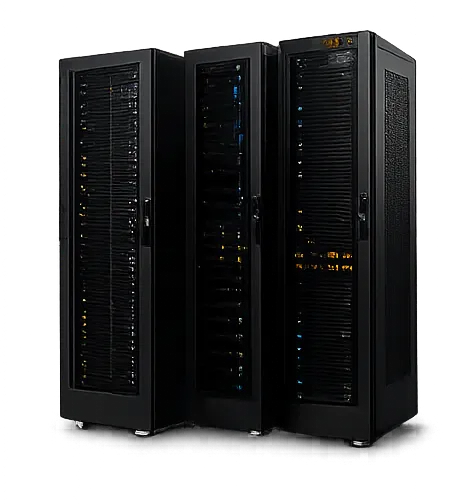
Yes. We regularly purchase and process servers, storage arrays, and networking infrastructure from healthcare settings — including EHR servers, PACS systems, and imaging storage. These devices receive the same NIST 800-88 sanitization and chain of custody documentation as clinical endpoints.
What happens to clinical devices that cannot be resold?
Devices that cannot be resold or refurbished are routed to R2v3-aligned certified recycling partners. We do not route healthcare devices to unregulated processors or export hazardous e-waste internationally. The downstream disposition of every device is documented and included in the project disposition report.
Do you buy healthcare IT equipment in small quantities?
Yes. We work with organizations of all sizes — from single-location practices retiring a dozen devices to regional health systems retiring hundreds. There is no minimum quantity to request a quote. Every engagement, regardless of volume, receives the same compliance documentation.
Ready to Retire Your Healthcare IT Equipment the Right Way?
HIPAA compliance at device retirement is not a checkbox. It is a documented process that protects your organization from breach liability, satisfies regulatory requirements, and demonstrates that your data security obligations extend through the full lifecycle of every device.
Submit your equipment list for a free HIPAA-compliant disposition assessment. We will evaluate what you have, provide a buyback quote where equipment has value, and walk you through exactly how the process works — including every document your compliance team will receive.
No minimums. No cost to submit. Just a clear, documented path forward for every device in your retired inventory.