In today’s fast-paced business world, technology upgrades are inevitable. As companies upgrade their IT equipment, the old hardware becomes obsolete and often ends up collecting dust in a storage room. But did you know that your outdated hardware could still be valuable? Reselling IT equipment not only frees up space but also maximizes ROI for your business. In this blog post, we’ll explore why reselling IT equipment is important and how to get started with it. Furthermore, we’ll discuss tips and best practices to help you maximize ROI through IT equipment resale. So let’s dive in!
Why Resell IT Equipment?
There are several reasons why businesses should consider reselling their IT equipment. First and foremost, it allows for a more sustainable approach to technology management. Rather than simply disposing of old equipment and contributing to electronic waste, reselling extends the life cycle of these devices.
Another benefit is cost savings. Upgrading your technology can be expensive, but by selling your used equipment you can recoup some of those costs and put them towards new purchases or other business needs.
In addition, reselling IT equipment also helps reduce clutter in the workplace. Old devices take up valuable space that could be put to better use. By getting rid of outdated hardware, businesses can clear up physical space as well as digital storage.
Reselling IT equipment can help support other organizations or individuals who may not have access to newer technology. Donating or selling at a reduced price can provide opportunities for others while also benefiting the environment and promoting sustainability practices in the tech industry.

How can you get started with IT equipment resale?
Getting started with IT equipment resale can seem like a daunting task, but it doesn’t have to be. The first step is to take stock of the equipment you have and determine if it’s still in working condition or if any repairs need to be made.
Once you’ve assessed your inventory, research the market value for each piece of hardware and create a list for potential buyers. You can use online marketplaces such as eBay or Amazon, or contact vendors who specialize in buying used IT equipment.
Another option is to partner with an IT asset management company that will handle the entire process from assessment and valuation through marketing and sale. This approach takes some of the burden off your team while ensuring maximum returns on your investment.
When choosing an IT asset management partner, look for companies that are transparent about their processes and fees. Some reputable firms will even provide environmentally responsible disposal services for items that cannot be resold.
Remember, IT equipment resale requires careful planning and execution – never rush into selling without proper research first!
What is ROI and why is it important?
ROI stands for Return on Investment, which is a metric used to measure the potential profitability of an investment. In other words, ROI calculates how much profit can be generated from a particular investment compared to its cost.
This metric is particularly important in IT equipment resale because it helps businesses evaluate whether their investments are worth the time and money. By understanding the ROI of IT equipment resale, businesses can make informed decisions about buying new equipment or selling old ones.
In today’s rapidly changing technology landscape, maximizing ROI through IT equipment resale has become more critical than ever before. Companies need to stay competitive by keeping up with emerging technologies while also minimizing expenses.
When deciding whether to invest in new technology or resell existing assets, calculating ROI should always be a crucial factor in this decision-making process since it offers insights into what actions will lead to greater profitability and growth.
Knowing your business’s return on investment ultimately enables you to make data-driven decisions that align with your organization’s goals while optimizing resources and improving overall financial performance.
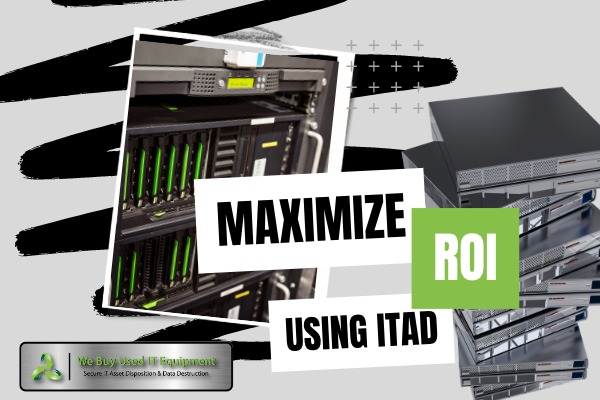
How can IT equipment resale maximize ROI?
IT equipment resale can help organizations maximize their return on investment (ROI) in several ways. Firstly, selling outdated or unused IT equipment frees up valuable space and resources that can be used to improve operations elsewhere. This not only reduces clutter but also eliminates the need for costly storage solutions.
Secondly, reselling IT equipment allows companies to recoup some of the original capital spent on purchasing the hardware. Depending on the age and condition of the items being sold, there may still be significant market value left in these assets that can be converted into cash.
Another way IT equipment resale maximizes ROI is by minimizing waste and promoting sustainability. Instead of simply disposing of old devices which could harm nature, they are instead given new homes by buyers who will put them to good use.
Reselling IT equipment through reputable channels ensures a secure transaction process that can protect sensitive data from falling into unauthorized hands while ensuring all applicable laws governing disposal are adhered to.
What are some tips and best practices for IT equipment resale?
When it comes to IT equipment resale, there are several tips and best practices that can help you maximize your returns. Here are some of them:
Firstly, always make sure that the equipment is in good condition before putting it up for sale. This includes testing its functionality, cleaning it thoroughly, and ensuring that all necessary components are included.
Secondly, research the market to determine a fair price for your equipment. Look at similar items being sold online and consider factors such as age, condition, and brand. Pricing too high or too low can affect the likelihood of a sale.
Thirdly, use multiple channels to sell your equipment. This could include online marketplaces like eBay or Amazon as well as local classifieds like Craigslist or Facebook Marketplace.
Fourthly, provide detailed descriptions and images of the item when listing it for sale. Highlight any special features or specifications that might be attractive to potential buyers.
Last but not least important is protecting yourself from scams by using secure payment methods and verifying the identity of buyers before completing transactions.
By following these tips and best practices for IT equipment resale you will increase your chances of selling quickly while achieving maximum ROI.
What are some best practices for IT equipment resale?
When it comes to IT equipment resale, certain best practices can help you maximize your ROI and ensure a successful transaction. Here are some key tips to keep in mind:
1. Thoroughly clean and test equipment: Before listing your equipment for sale, make sure it is properly cleaned and tested to ensure optimal performance. This will not only increase its value but also improve customer satisfaction.
2. Accurately describe the condition of the equipment: Be honest about any wear and tear on the item, so buyers know exactly what they’re getting. Including clear photos can also help provide an accurate representation of the product.
3. Research market pricing: Do your research on current market trends and prices for similar products to determine a fair selling price for your equipment.
4. Use reputable platforms or vendors: Using established vendors or online platforms with good reviews can help boost credibility and attract potential buyers.
5. Provide exceptional customer service: Respond promptly to inquiries from potential buyers, be transparent about shipping costs and timelines, and follow up after the sale to ensure a positive experience for all parties involved.
Conclusion
IT equipment resale can be a highly profitable strategy for businesses looking to maximize their ROI. By following some simple tips and best practices, companies can ensure they get the most value out of their used IT equipment while also contributing to sustainability efforts by extending the life cycle of technology.
Remember that it’s important to properly assess your equipment’s value and condition before selling, as well as finding reliable buyers or resellers. Additionally, keeping track of market trends and product demand can help you make informed decisions when it comes to pricing and timing.
By implementing these strategies, businesses can not only recoup some costs but also invest